

Ask someone chasing a 1000 a month side hustle how they plan to get there and they’ll usually name one thing: one channel, one shop, one service — one fragile bet that has to perform perfectly. The stack is the opposite philosophy. Instead of one hustle that must produce $1,000, you run three small ones designed to produce a few hundred each, sharing one audience, one niche, and one set of AI workflows. If one has a bad month, the month survives.
The honest frame, stated plainly because this series doesn’t do guru math: $1,000 a month is a target, not a timeline anyone can promise you. Most stacks take months of consistent work to assemble, some layers fail and get replaced, and the example split used in this article is an illustration of how the pieces fit — not a forecast of what you’ll earn. What the stack genuinely offers is resilience and a realistic shape: three modest, provable income lines are easier to build than one heroic one. It sits at Stage 2 of the Side Hustle in 2026 Using AI roadmap — the stage where consistency turns into a system.
Why One Hustle Rarely Reaches $1,000 — and Three Small Ones Can
Single hustles fail the $1,000 test for structural reasons. A new faceless channel earns little until it compounds. A freelance service earns fast but stops the hour you stop. A digital product sells while you sleep but needs traffic you don’t have yet. Each model has exactly the weakness another model covers.
Stacking works because the layers share inputs. One niche means one research habit. One audience means every piece of content markets all three layers at once. One AI workflow — the same prompts, templates, and production sessions — means the second and third layers cost a fraction of the time the first one did. You’re not working three jobs. You’re building one small media business with three tills.
The Stack Blueprint: Anchor, Accelerator, Wildcard
- The Anchor — a traffic asset you own. A faceless YouTube channel or a Pinterest presence in your niche. Slow, unglamorous, and the only layer that compounds while you sleep. Its early income (ads, small affiliate clicks) is modest, but it’s the layer that makes the other two cheaper every month.
- The Accelerator — a service, sold now. AI-leveraged freelancing: scripts for other channels, pin design packages, editing, AI-assisted writing for businesses in your niche. This is the fast cash layer — it monetises your skills this week, at prices your growing audience helps you raise. Two or three small recurring clients can carry a surprising share of the target.
- The Wildcard — a product or affiliate layer. A template pack, a guide, a notion system, or affiliate recommendations woven into your content. High variance, near-zero marginal time: some months it’s a rounding error, some months it spikes. It’s called a wildcard because you don’t budget on it — you let it surprise you.
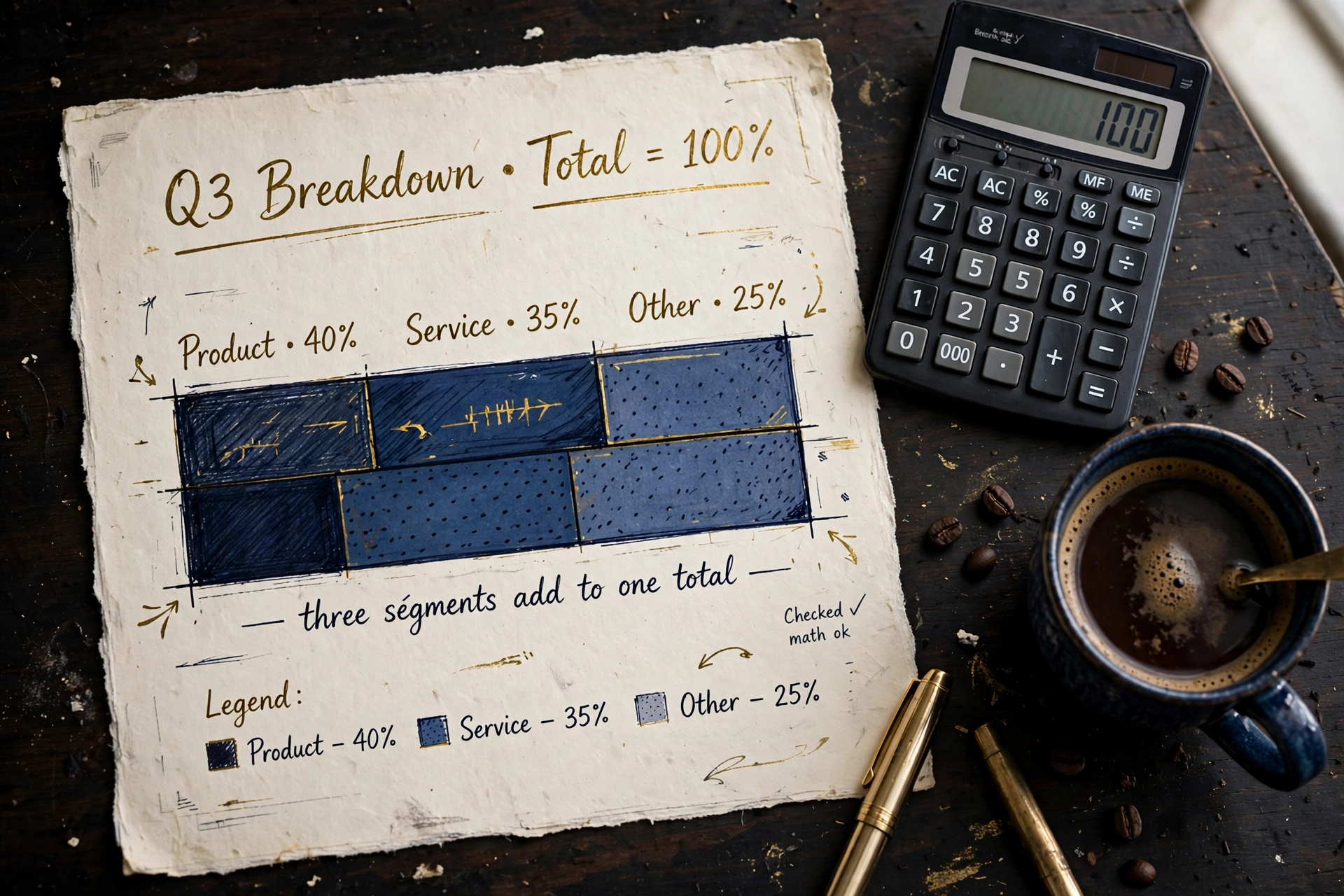
To make the shape concrete, an illustrative month at the target might look like: the Anchor contributing a few hundred in ads and affiliate income, the Accelerator contributing the largest share from two clients, the Wildcard adding the remainder from a small product. Your real split will differ — the point is that no single line had to be extraordinary for the total to matter.

The Rules That Keep a Stack From Collapsing
- One niche, one audience. The moment your service clients, your channel, and your product serve different crowds, you have three businesses and no stack. All three layers speak to the same person.
- Three layers maximum. Every layer beyond three dilutes the focus that makes stacking work. New idea? It replaces a layer or waits.
- Shared production sessions. Batch by task, not by layer: one research session feeds the channel, the service portfolio, and the product roadmap simultaneously.
- Each layer must earn its seat. A layer that produces nothing — no money, no audience, no learning — for 90 days gets replaced, not defended.
- Price the Accelerator properly. The most common stack failure is a service layer priced so low it eats all available hours and starves the Anchor. Raise prices as proof accumulates; the Anchor’s growth depends on the hours you protect for it.
The AI Workflows the Stack Shares
The stack only stays a ten-hour system if the layers genuinely share machinery instead of each growing their own. Build these three workflows once and route everything through them:
- One research workflow. A single weekly session (the Reddit-plus-AI method from this series) produces a topic list that feeds the Anchor’s content calendar, the Accelerator’s portfolio and outreach angles, and the Wildcard’s next feature or lead magnet. Research once, spend three times.
- One production workflow. The same prompt templates that draft your video scripts draft your client deliverables; the same design system that makes your pins makes your clients’ pins and your product’s graphics. Every improvement to a template upgrades all three layers at once.
- One review workflow. A single weekly numbers check — thirty minutes with the analytics from every layer on one screen. Stacks die from neglected layers, not bad ones; the shared review is what makes neglect impossible to hide from yourself.
This is the unglamorous reason the stack beats three separate hustles run by three separate efforts: the workflows compound even when individual income lines wobble.
A Week in the Stack (For Someone With a Job)
Assume roughly ten hours a week — two evenings and a weekend block:
- Research + scripting (2 hrs): mine Reddit and platform search for the week’s topics; AI drafts, you edit. Output feeds all three layers.
- Anchor production (4 hrs): one long-form video or a batch of pins, produced from the week’s research.
- Accelerator delivery (3 hrs): client work, run through the same templates and AI workflows — and every delivered project becomes anonymised proof you can show the next client.
- Wildcard maintenance (1 hr): one improvement to the product or one affiliate placement inside content you already made.
Ten hours, three layers, zero heroic all-nighters. The stack is designed to survive contact with a real job and a real life, because a system you quit in month two stacks nothing.
When to Drop a Layer
Review quarterly, with numbers, not feelings. Keep a layer if it’s growing, earning, or feeding the others measurably. Drop it if 90 days of honest effort produced none of the three. The usual first casualty is a Wildcard product nobody wanted — which is fine, because the Anchor’s analytics and the Accelerator’s client conversations will tell you exactly what to build instead. The stack isn’t three fixed hustles; it’s a portfolio with a ruthless rebalancing habit.
Build the Stack in the Right Order
Sequence is everything: Accelerator first (income this month funds your patience), Anchor second (started immediately after, because compounding rewards the earliest start), Wildcard last (built only once an audience exists to sell it to). Reversed stacks — product first, audience later — are the ones that stall at $40 and quit.
Track the whole thing like the small business it is: when the combined number starts moving, plan its taxes, reinvestment, and growth with the Financial Calculators hub instead of guessing.
Three small streams, one audience, one system. That’s how $1,000 a month actually gets built — quietly, in layers, without betting your rent on any single one of them.
