
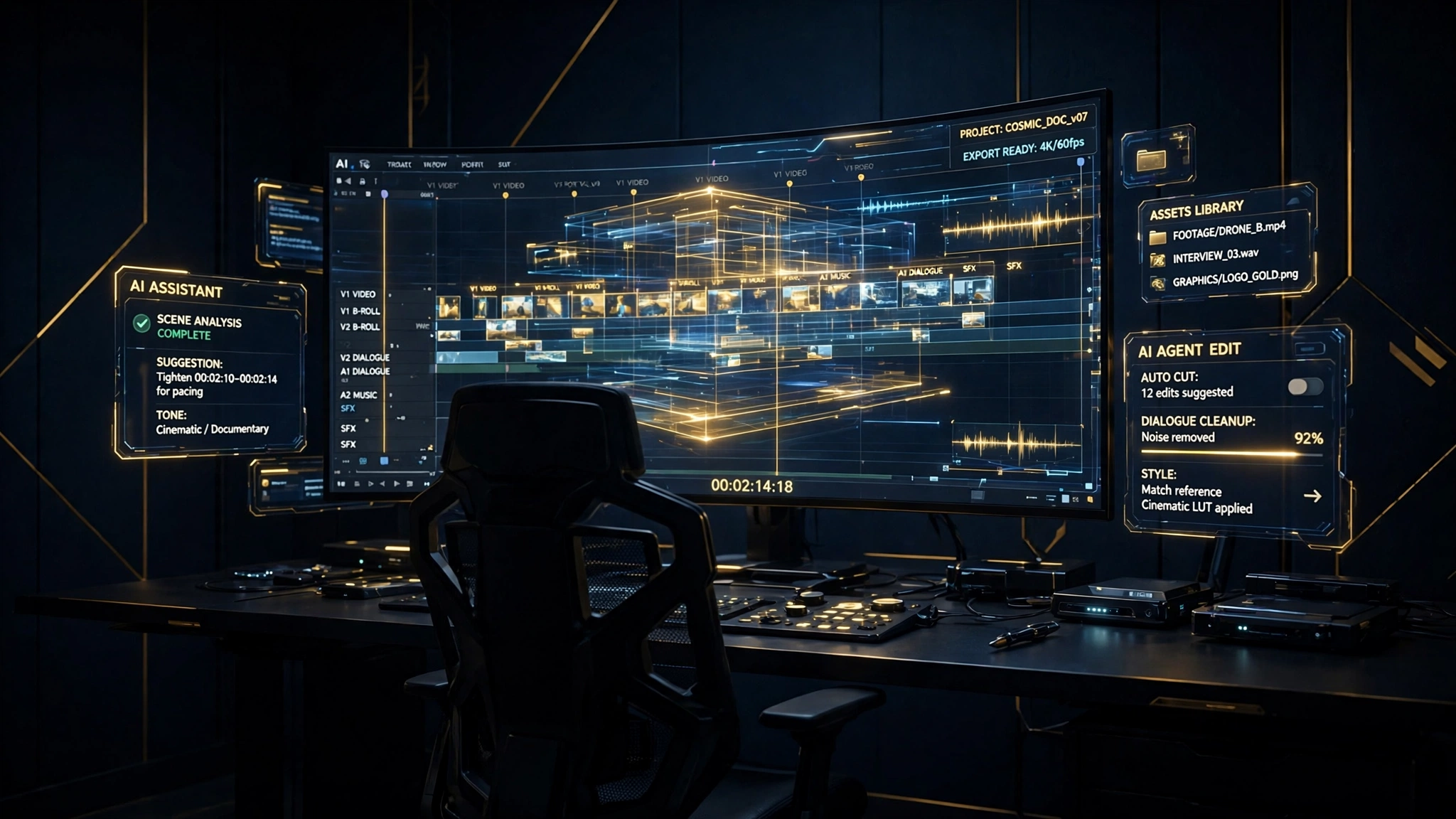
“Youtube automation” used to mean one thing: a pipeline. Script from a generator, voice from a text-to-speech tool, stock clips on a timeline, upload, repeat — a video factory with no human fingerprints. Heading into 2027, that version of youtube automation is dying in public, and a different version is quietly taking its place. This article separates the two, using what YouTube has actually announced and enforced — not guru predictions.
The honest frame: policies and thresholds change, and any article (including this one) can be overtaken by the next platform update. Everything below is grounded in changes YouTube has already made or officially announced with dates attached. Where 2027 is concerned, treat specifics as a planning direction and verify current rules in YouTube’s own help pages before you build a budget around them. This is the forward-looking chapter of the YouTube engine in the Side Hustle in 2026 Using AI roadmap.
What “Automation” Meant in 2023 vs What It Means Now
The 2023 model optimised for volume: the cheapest possible video, produced the fastest possible way, in niches chosen purely for ad rates. It worked briefly because detection was weak and the Partner Program’s door was wide. Then two things happened. AI made the factory model infinitely scalable — anyone could flood a niche in a weekend — and YouTube responded by changing what it reviews: not the individual video, but the channel as a whole, judged on whether it demonstrates an actual creator’s original work.
The 2027 model optimises for something else: a recognisable channel with a real editorial hand, using AI as production leverage. Same absence of a face. Completely different business.
What Is Changing
- The entry bar doubles on February 1, 2027. YouTube has officially announced that new Partner Program applicants will need 8,000 qualified watch hours in 365 days or 20 million qualified Shorts views in 90 days — double the current thresholds — while the 1,000-subscriber requirement stays. Creators already in the program keep their status, and the lower fan-funding tier (500 subscribers, 3,000 hours or 3 million Shorts views) is unchanged. Practical consequence: a channel launched and monetised in 2026 walks through a door that gets twice as heavy behind it.
- Shorts revenue becomes a treadmill, officially. From the same February 2027 date, keeping Shorts revenue sharing means maintaining 10 million qualified Shorts views in every rolling 90-day window. Long-form revenue has no equivalent maintenance rule — one more reason the library model is strengthening (this series compared the formats in “Shorts vs Long-Form”).
- “Inauthentic content” is now the enforcement headline. In July 2025 YouTube renamed its “repetitious content” policy to “inauthentic content” and spelled out the target: mass-produced, template-driven content with little variation — explicitly including AI-generated videos made with generic templates “without adding the creator’s original, authentic insights.” Enforcement is channel-wide: a violating catalogue can cost the whole channel its monetisation. And it has teeth — enforcement sweeps in early 2026 removed major AI “slop” channels with tens of millions of subscribers between them.
- Synthetic-content disclosure is normal now. Uploaders must disclose realistic AI-generated or altered content in Studio, and labels are part of the furniture. Faceless creators using AI voices and visuals should simply build the disclosure click into their upload checklist rather than treating it as a risk to dodge.
Read those four together and the direction is unmistakable: YouTube isn’t banning AI or faceless channels. It’s pricing out the factories.
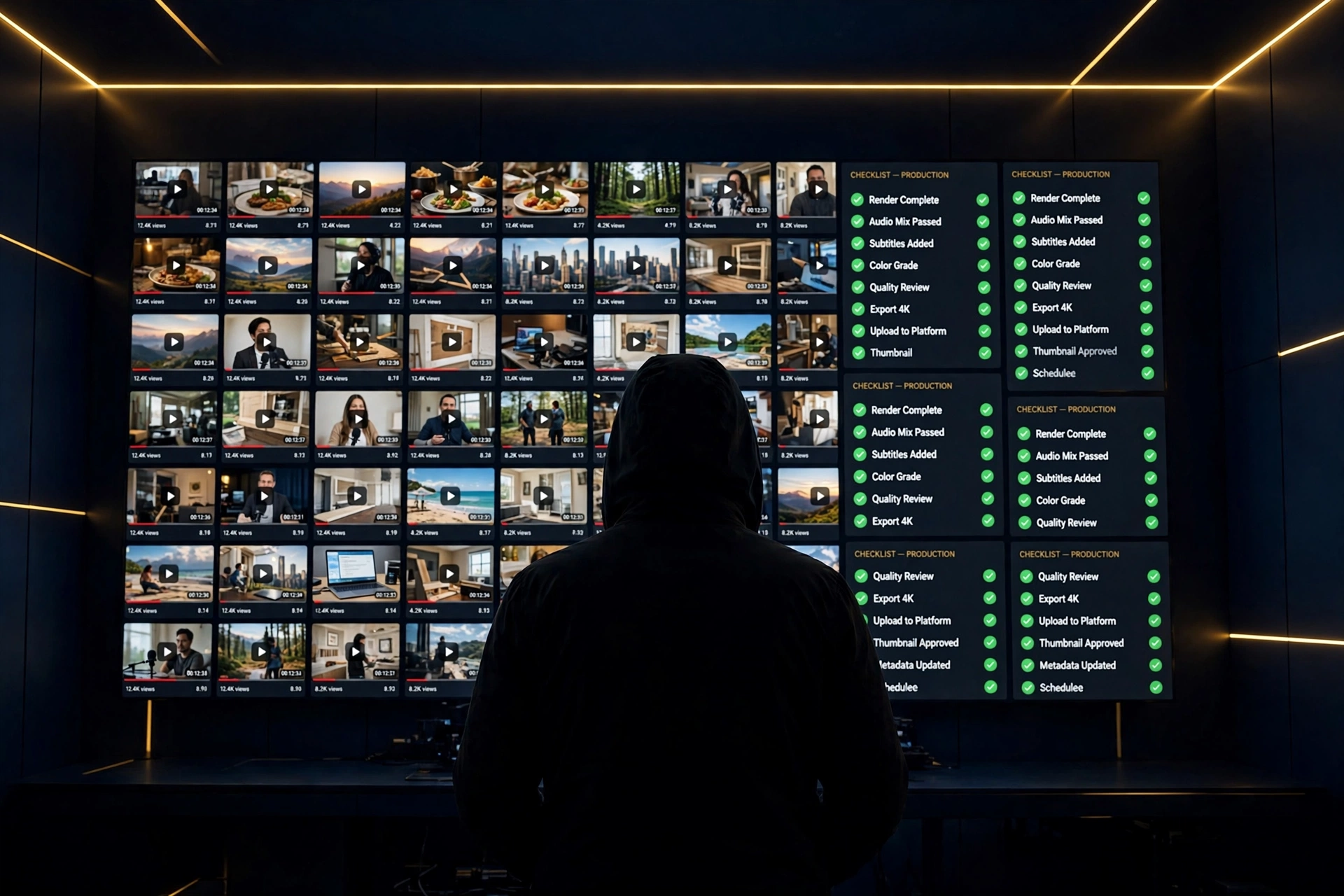
What Still Works
- Original scripts with a point of view. AI can draft, but the structure, examples, and conclusions must be a person’s. “AI-assisted, human-authored” is not a slogan — it’s literally the line the inauthentic content policy draws.
- Distinct videos, recognisable channel. A consistent format is fine (YouTube explicitly allows shared intros and series formats); interchangeable videos are not. Each upload needs its own story, angle, or argument.
- Retention craft. Watch time decides both revenue and, from 2027, program entry. Hooks, pacing, and honest titles beat volume hacks by a wider margin every year.
- Niches with real advertiser demand and real viewer problems — money, health, business, education, technology. Slop dies fastest in entertainment spam; it dies slowest where viewers genuinely need the information and watch to the end.
- The owned-audience hedge. Channels that route viewers to an email list, a blog, or a product are insured against any single policy update — a principle this whole roadmap is built on.
A Word on AI Voices Specifically
Because faceless channels live or die on the voice track, it deserves its own paragraph in any 2027 plan. Synthetic voices are permitted — YouTube’s rules target deception and mass production, not the existence of a text-to-speech track — but the quality bar has moved. A flat, mispronouncing default voice now functions as a factory fingerprint: viewers leave, and reviewers pattern-match it to the template channels being removed. The working standard is a well-directed voice — correct pronunciations, deliberate pacing, emphasis that follows the argument — or your own recorded voice, which remains the cheapest originality signal available. Many durable faceless channels mix both: their own voice for flagship videos, a high-quality directed synthetic voice for volume. What none of them do anymore is ship the raw default output, because in 2027 “sounds automated” and “is inauthentic” have become the same judgement in practice.
The Human-in-the-Loop Workflow for 2027
This is what compliant, competitive faceless production now looks like:
- Research (human-led): topic chosen from real audience demand — search data, comments, community questions — not from a trending-template list.
- Script (AI draft, human rewrite): the draft is raw material. You restructure, add your own examples, cut the generic filler, and read it aloud before it ships.
- Voice and visuals (AI-produced, human-directed): you choose the voice, pace the edits, and reject visuals that don’t serve the specific script beat.
- Packaging (human judgment): title and thumbnail written for your actual video, not cloned from a competitor’s.
- Upload checklist: disclosure for synthetic content set, description written, end screens placed. Five minutes that protect the entire channel.
Slower than a 2023 factory by maybe an hour a video. That hour is now the business model.
Channels That Will Not Survive 2027
The obituary list is predictable: clone channels running one template across fifty niches; slideshow channels with scrolling text and a robotic voice; channels that re-narrate the same viral stories with swapped stock footage; and “AI expert persona” channels in finance or health, where YouTube specifically restricts AI personas presenting as human experts. If your channel’s honest description sounds like any of those, the time to rebuild it is while it’s small — not after a rejection letter.

Automate the Production, Never the Judgment
The summary fits in one line: in 2027, AI does the typing, the talking, and the timeline — you do the thinking. Channels built that way were never the target of a single policy YouTube has written, and the February threshold change actively rewards them by thinning out the factory competition.
If you’re starting now, the roadmap still applies in order: launch properly, run the engines together, and let the Financial Calculators hub keep the money side as organised as the content side.
The factory era is ending. The studio era — one person, AI leverage, real editorial standards — is what’s replacing it.
