
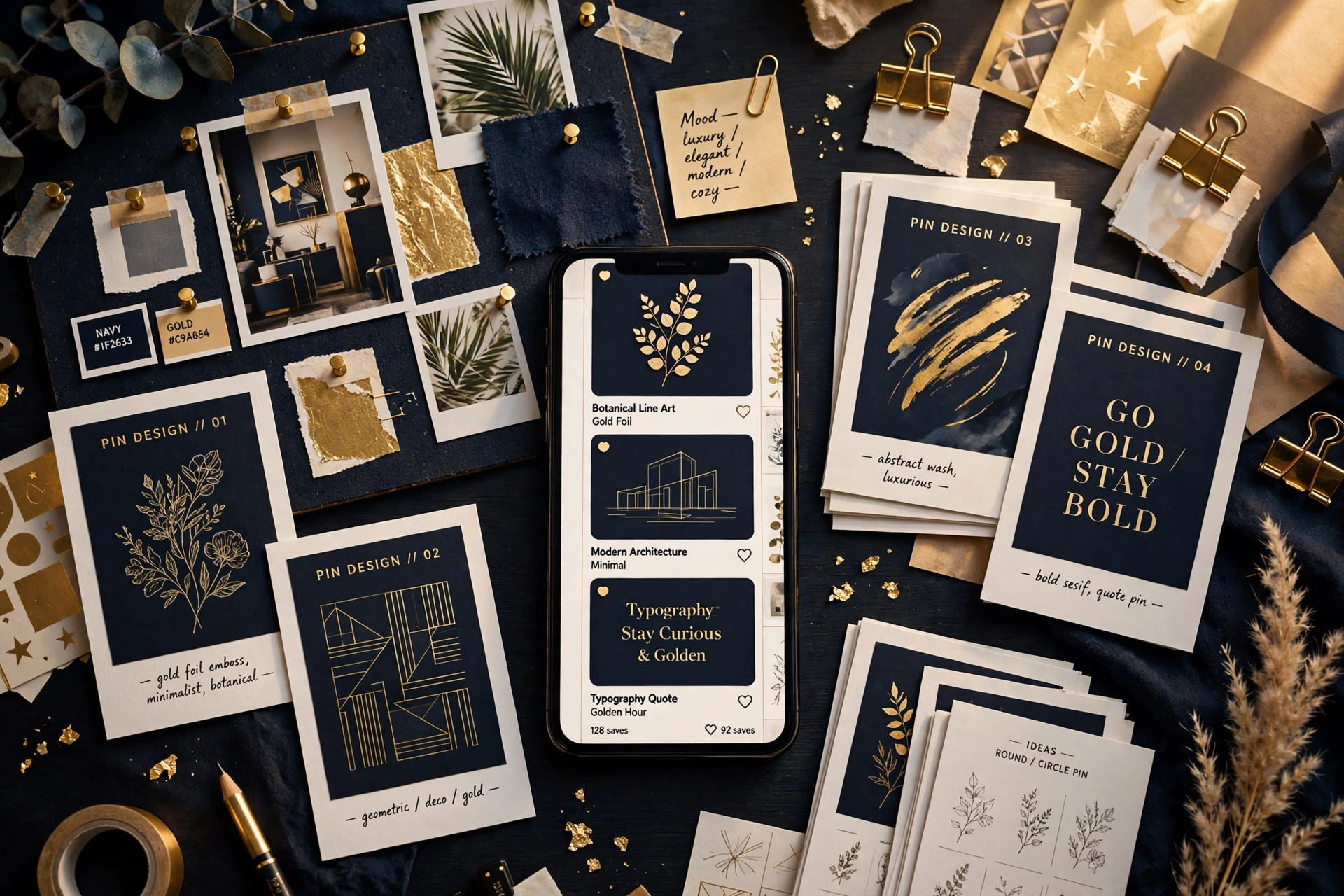
Search “Idea Pins vs standard Pins” and you’ll find a war that ended years ago. Here’s the fact the outdated comparisons skip: Pinterest retired Idea Pins as a separate format in 2023, folding their multi-page, tappable storytelling into regular Pins. In 2026 there is only one format called a Pin — but it now comes in flavors that behave very differently: static image pins, video pins, and multi-page pins built from several images or clips. The real question for your traffic isn’t the old format war. It’s which pin type earns outbound clicks to your blog, and when each one deserves your production time.
The honest note first: no pin format guarantees clicks. Pinterest’s distribution is slower than most platforms, any single pin can flop regardless of type, and click-through depends on niche, design, and the page waiting on the other side of the tap. What format choice does control is how the algorithm introduces your content and what kind of intent you attract — entertainment attention versus buyer intent. Confusing the two is how creators rack up a million impressions and eleven website visits. This article separates them.
This is a format playbook for the Pinterest engine of the Side Hustle in 2026 Using AI roadmap — built to feed the Pinterest-to-blog funnel covered earlier in this series.
What Replaced Idea Pins
Old Idea Pins were vertical, multi-page stories — up to twenty pages of images and video, with stickers and text, designed to be consumed entirely inside Pinterest. Crucially, they carried no outbound link. You could build an audience with them but could not send that audience anywhere.
When Pinterest folded them into standard Pins, the most important thing changed: multi-page and video content gained the standard Pin’s outbound link. The storytelling format survived; the traffic prison didn’t. That single change is why the old “Idea Pins are useless for blogs” verdict is now outdated — and why advice from 2022 threads will mislead your 2026 strategy.
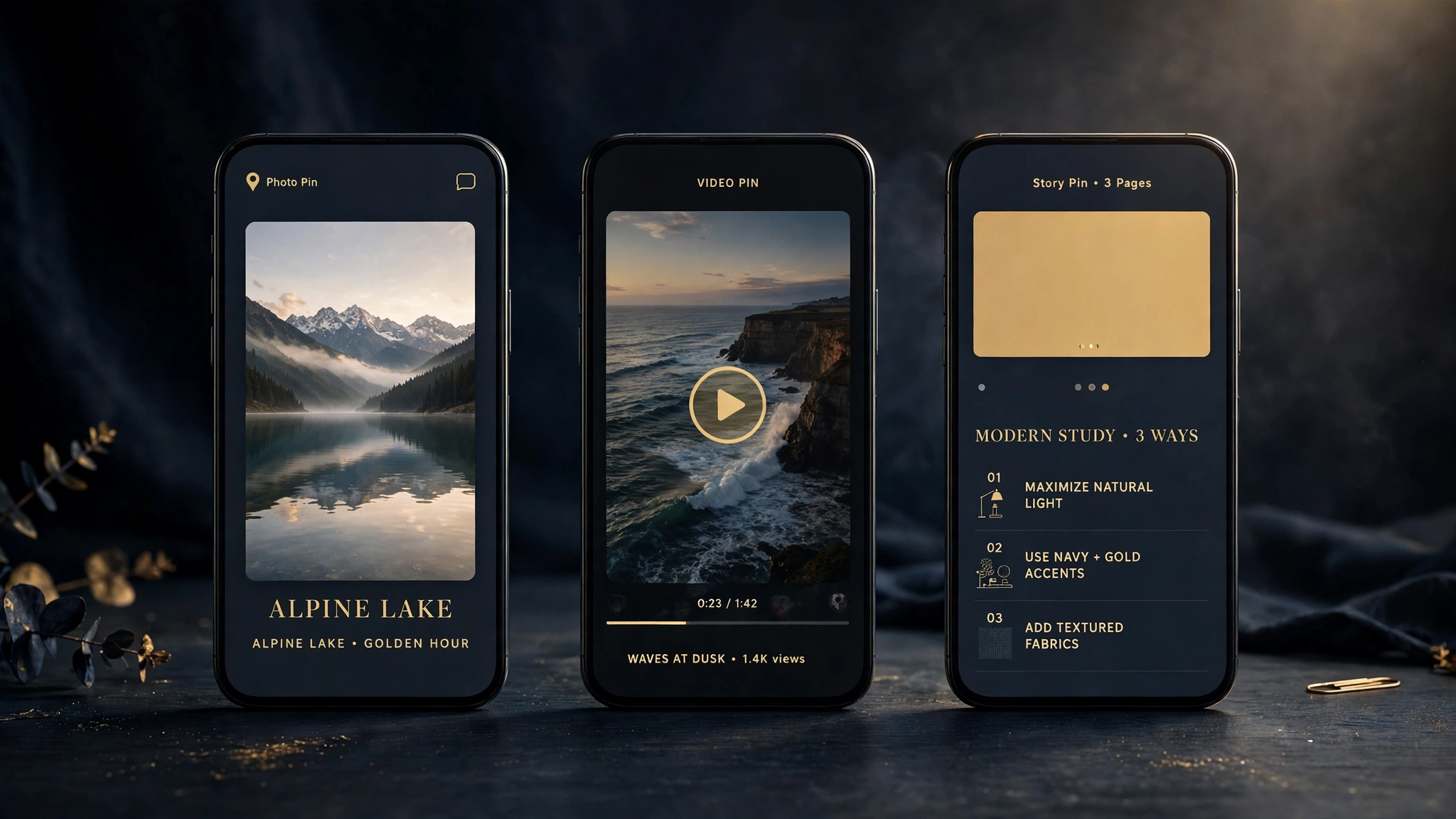
The Three Pin Types, Judged by Clicks
Static Image Pins
The workhorse. One vertical image (2:3 ratio), a keyworded title, a text overlay making one clear promise. Strengths: fastest to produce at volume (this is where the AI pin-design workflow from this series shines), directly searchable, and historically the most reliable driver of outbound clicks per pin — because the image can’t satisfy the curiosity it creates. The click completes the promise. Weakness: no motion in the feed, so in crowded visual niches a static pin must win on design and headline alone.
Video Pins
A short video as the pin itself. Strengths: motion stops the scroll, and Pinterest actively pushes video in the feed, so video pins often earn dramatically more impressions and engagement. Weakness — and it’s the trap: a video that teaches the whole thing in-feed can satisfy the viewer without a click. The fix is the open loop: show the transformation, the first two steps, the before/after — and hold the full list, template, or recipe for the article. Done well, video pins are your best top-of-funnel discovery tool; done as complete tutorials, they’re applause with no traffic attached.
Multi-Page Pins (The Idea Pin Descendants)
Several pages in one pin, now with an outbound link on the pin. Best used as a teaser structure: page one makes the promise, middle pages deliver partial value, the final page points to the full resource. They take the longest to produce and their click performance varies most by niche — treat them as an occasional flagship format for your best content, not your daily driver.
What Actually Drives the Click
Across all three types, the click predictors stay constant:
- An unfinished promise. The pin raises a question or shows a partial result; the article completes it. This is the whole game.
- Text overlay clarity. The baked-in headline is read before the image is processed. Specific numbers and outcomes outperform vibes.
- Keyword match. The pin’s title and description matching the exact phrase the user searched is what gets you into their results at all — format is irrelevant if you’re never shown.
- A landing page that keeps the promise. Clicks that bounce in five seconds teach Pinterest your pins disappoint people. The funnel article in this series covers the receiving end; format strategy and landing strategy are one strategy.
The Production Workflow (Weekly Mix)
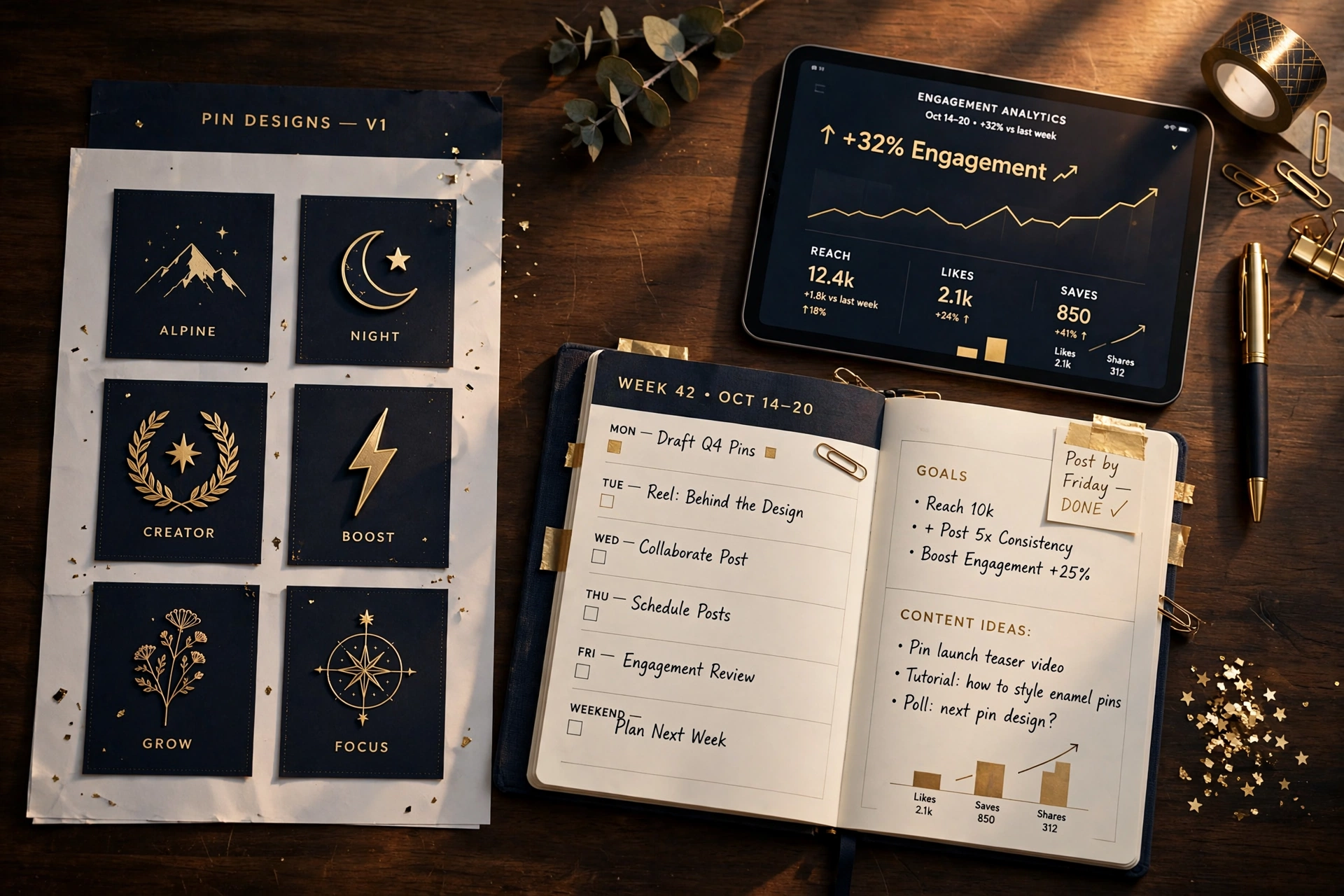
For a blog-traffic goal, a sane weekly ratio while testing:
- 70% static pins — your click engine, produced in one AI-assisted batch session from this week’s and your archive’s articles.
- 20% video pins — repurpose your faceless Shorts and video content; cut for the open loop, link to the matching article.
- 10% multi-page pins — one flagship piece of content per week gets the story treatment.
Then measure the only number that justifies the mix: outbound clicks per pin type in Pinterest Analytics, reviewed monthly. Impressions and saves are diagnostics; outbound clicks are the business. Shift your ratio toward whichever type your specific audience converts on — niches genuinely differ, and your analytics outrank this article’s defaults within two months.
A Two-Week Format Test You Can Actually Run
Advice about ratios only becomes knowledge when your own account votes on it. Run this test before settling your long-term mix:
- Pick three existing articles with proven topics — your best search performers or the ones readers share.
- Produce all three formats for each: one static pin with a fresh design, one video pin cut on the open-loop principle, one multi-page pin teasing the article’s structure. Nine pins total, every one linking to its article.
- Publish across two weeks at your normal cadence, interleaved so no format gets all the good days.
- Judge on outbound clicks per pin, with impressions as context only. Give the test a full month of data before concluding — Pinterest distribution is slow, and week-one numbers lie in both directions.
- Rebalance once. Move 20% of your production toward the winning format and rerun the mix for the next month. One rebalance, based on a month of data, beats a quarterly strategy overhaul based on feelings.
What you’ll usually find is not a universal winner but a division of labor: one format discovers, another converts, the third showcases. The test’s real product is knowing which is which for your niche — the thing no article, including the format comparisons you searched to get here, could tell you in advance.
The Mistakes That Waste the Format
- Publishing complete tutorials as video pins and wondering where the traffic went.
- Treating saves as success — a save is Pinterest-internal applause; it doesn’t put a reader on your site or a dollar in your account by itself.
- One format forever. Creators who only post statics surrender the feed’s video push; creators who only post video surrender click intent. The mix is the strategy.
- Copying 2022 advice — optimizing for a format distinction Pinterest already abolished.
One last calibration: none of this requires choosing your formats once and forever. Pinterest keeps reshaping its surfaces — formats merge, names change, distribution weights shift — and the creators who survive those shifts are the ones measuring outbound clicks instead of collecting format opinions. Formats are rented; the measurement habit is owned.
The format war is over, and the winner was the outbound link. Use static pins to harvest intent, video pins to manufacture discovery, and multi-page pins to showcase your best work — then let outbound clicks, reviewed monthly, referee the ratio. When those clicks turn into income on the blog side, the Financial Calculators hub will help you plan what the traffic is worth and what to build next. Publish this week’s batch with the mix above, and let your own data take it from there.
