
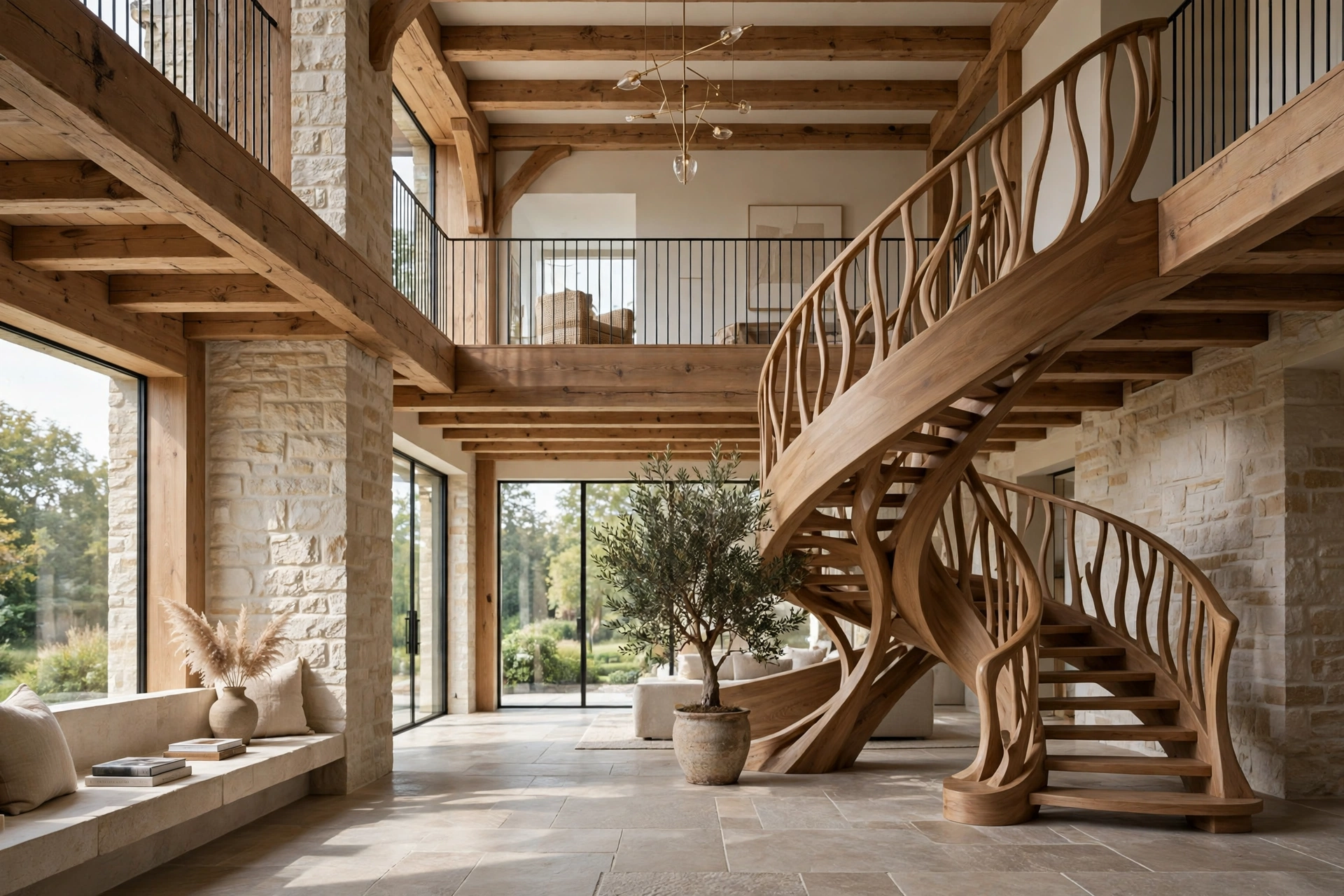
Walk up to a truly elite mansion and you feel it before you can explain it. The proportions are calmer. The materials are heavier. Nothing looks rushed, temporary, or chosen just because it was fashionable that season. Millionaire homes are not simply bigger versions of ordinary houses — they are planned around privacy, comfort, entertaining, and time. Time saved by good staff space. Time protected by quiet rooms. Time enjoyed in spaces designed for a single purpose and designed properly.
You do not need a mansion to learn from one. Understanding the features that appear again and again in high-end homes helps you spot quality when you view a property, plan a renovation with clearer priorities, and avoid spending money on drama that adds no daily value. Here are the twelve features that define the modern elite home.
1. A Grand, Controlled Entrance
Every elite mansion manages the arrival. A gated approach, a motor court, or at the very least a deep, landscaped forecourt separates the street from the front door. Inside, the entrance hall is a room in its own right — double-height in many homes, with space for art, a sculptural staircase, and clear sightlines to the garden beyond.
The point is control. Guests see a composed first view, deliveries and staff use a separate route, and the private rooms stay private. Even in a smaller house, define the entry and let the first view be calm and intentional.
2. Ceiling Height and Generous Proportions
If you had to name one feature that makes a room feel expensive, it would not be marble. It would be height. Elite homes routinely use ceiling heights well above standard, taller internal doors, and windows that run closer to the floor and ceiling than in a typical build.
Height changes everything downstream. Light travels further, art sits better, furniture looks less crowded, and even a quiet, simply furnished room feels grand. When you are comparing properties, stand in the centre of the main room and look up and out — proportion is the luxury you can never retrofit cheaply.
3. A Kitchen Built in Two Parts
The show kitchen in a millionaire home is beautiful: stone island, integrated appliances, seating for guests to gather while a meal comes together. But behind it, almost always, is a second working kitchen — sometimes called a chef’s kitchen, back kitchen, or scullery.
That hidden space holds the mess: catering equipment, extra ovens, bulk storage, and the noisy, steamy work of entertaining at scale. The main kitchen stays serene. At a normal scale, the same idea becomes a well-planned pantry, a utility run with a second sink, or simply storage that lets counters stay clear. Luxury, here, is really just mess with somewhere else to go.
4. A Primary Suite That Works Like a Small Apartment
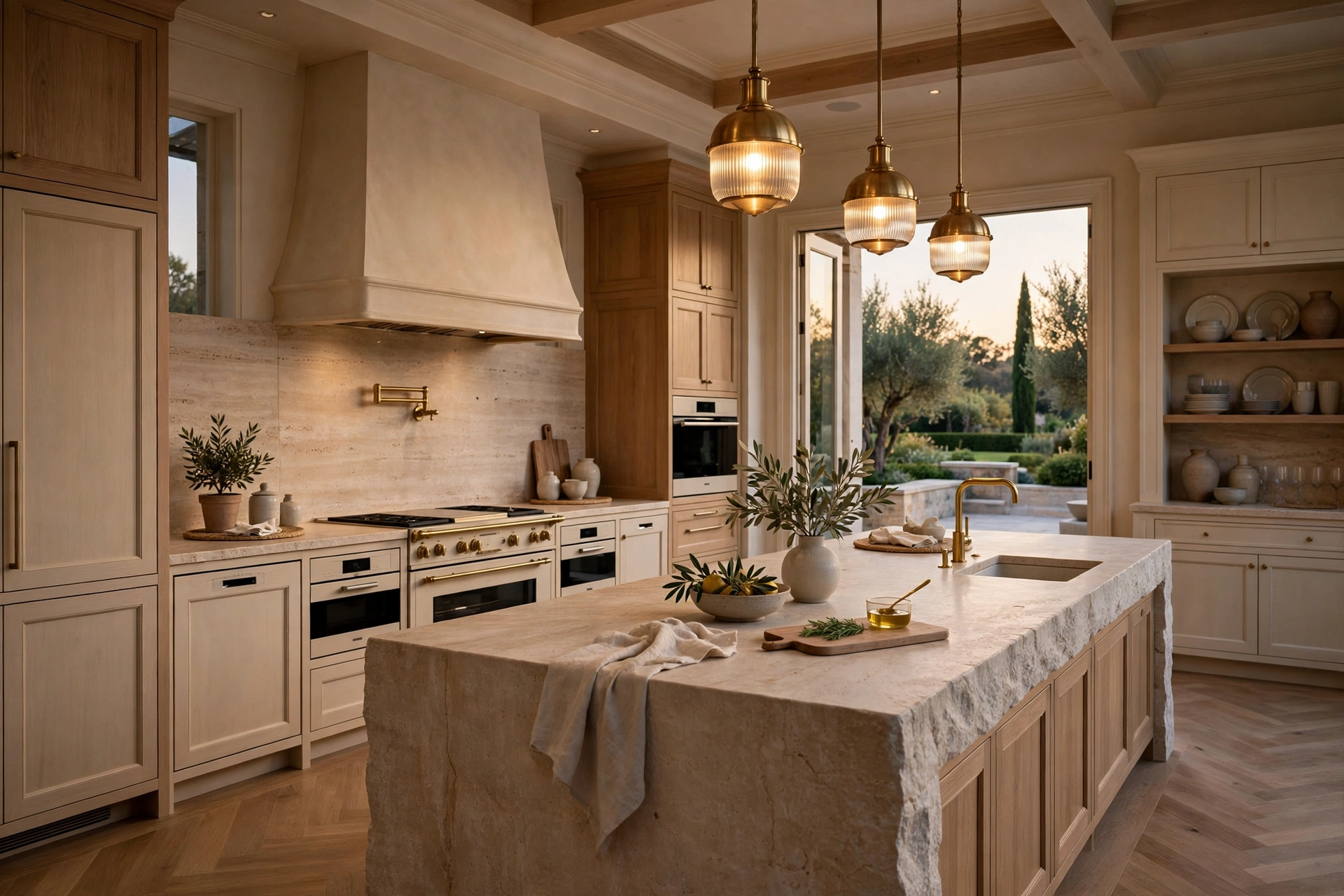
In elite homes the primary bedroom is rarely just a bedroom. It is a suite: a sleeping room, a sitting area, one or two dressing rooms, and a bathroom arranged more like a private spa than a family bathroom, often with a separate bath, walk-in shower, and water closet.
The dressing room is the unsung hero. Lined, lit, and organised by category, it removes wardrobes from the bedroom entirely, which is why those bedrooms look so restful in photographs. Everything has a drawer, a rail, or a shelf — and the door closes on all of it.
5. Dedicated Wellness Space
Wellness has moved from a hotel treat to a home essential at the top end. Depending on the house, that can mean a gym with proper flooring and ventilation, a sauna or steam room, a treatment room for massage and physiotherapy, or a full indoor pool level with changing space.
What matters is not the price of the equipment. It is that the space is dedicated. A treadmill in a spare bedroom gets folded away; a real gym room gets used. If you are borrowing one idea, borrow that one: give health a door of its own, even if the room is modest.
6. Entertainment Spaces With a Single Job
Elite mansions separate their pleasures. A cinema room is dark, acoustically treated, and tiered. A games room is social and bright. A wine cellar or tasting room is cool, secure, and lit like a gallery. A library is quiet, with shelving built to the ceiling and chairs chosen for reading, not for looking at.
Single-purpose rooms feel luxurious because nothing in them is a compromise. The home-theatre trend in ordinary houses often fails for the opposite reason — a projector squeezed into a living room that is too bright for films and too dark for everything else. Pick one job per space and let it do that job well.
7. Seamless Indoor-Outdoor Living
The best millionaire homes treat the garden as another floor of the house. Full-height glazing slides or folds away, floor levels align, and the same stone or timber language runs from inside to out. Covered terraces — loggias — mean the outdoor room works in sun and in rain.
Kitchens open to outdoor kitchens. Living rooms open to fire pits and shaded seating. The effect is that the house feels twice its size for much of the year. Even a small terrace, level with the room behind it and covered overhead, delivers a surprising share of that feeling.
8. Staff, Service, and Storage You Never See
Behind the calm of an elite home is a working layer most guests never notice: a staff entrance, a laundry and housekeeping room, linen storage, a plant room, and corridors or lifts that let the house run without crossing the family’s day.
This is the least glamorous feature on the list and arguably the most important. Houses feel chaotic when service has no space. They feel serene when cleaning equipment, deliveries, bins, and bulk shopping all have a planned route and a closed door. Before falling for finishes, ask of any luxury property: where does the work of this house actually happen?
9. Whole-Home Smart Systems, Quietly Integrated
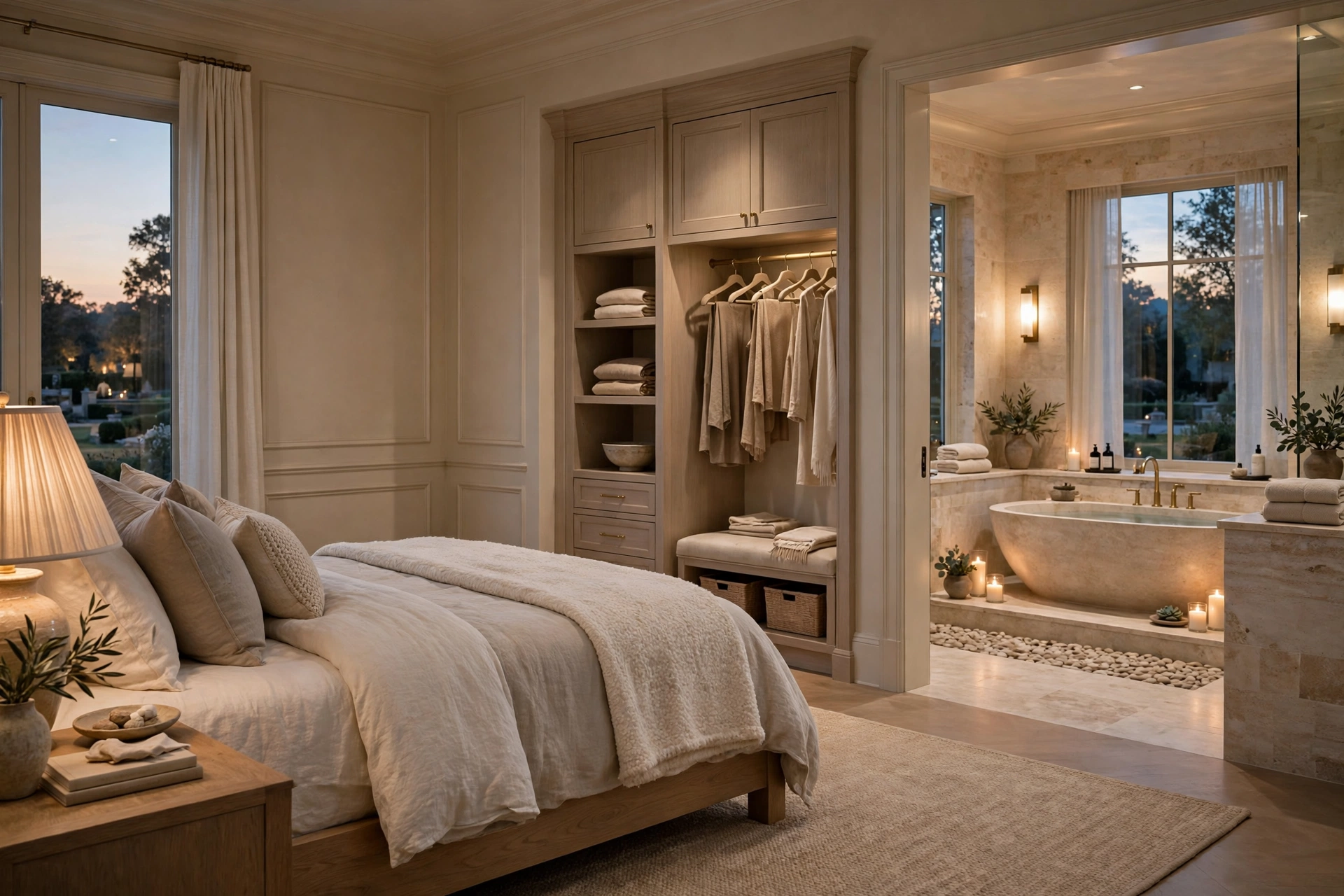
Lighting scenes, climate by zone, blinds, audio, security, and gates — in a top-end home these run from one system, controlled by simple keypads and an app, not by a drawer full of remotes. The technology is deliberately invisible. Speakers are plastered in, sensors are discreet, and lighting is layered so a room can shift from bright morning to soft evening at one touch.
The transferable lesson is restraint. Automate the things you touch every day — light, heat, shade, entry — and skip the gimmicks you will use twice. If you are budgeting for a build or a major renovation, it helps to run the numbers early alongside your other big decisions using the tools in our financial calculators hub, so technology is planned as part of the whole project rather than added as an afterthought.
10. Serious Security and Privacy
Privacy is the true currency of elite homes. Expect layered security: perimeter control, cameras with proper coverage, a safe room or at least a reinforced primary suite in some properties, secure parking inside the boundary, and landscaping that screens the house without advertising that it is doing so.
Just as important is acoustic and visual privacy inside the plot — high planting, offset windows, and guest or staff accommodation positioned so different households can coexist without friction. When you view luxury homes, notice how little of the private life of the house you can see from the gate. That is by design.
11. Guest and Multi-Generational Accommodation
Millionaire homes assume visitors — and assume they stay. A guest suite with its own bathroom is the minimum; larger properties add a guest house, a staff flat, or an annexe that can serve visiting family, an au pair, or adult children.
The design principle is independence: a door that closes, a bathroom that is private, a small kitchenette if space allows. It makes hosting generous instead of exhausting, and it gives the property flexibility as a family’s needs change across decades, which is exactly how elite homes are planned — in decades, not seasons.
12. Materials Chosen to Age Well
Finally, walk through an elite mansion and touch things. Stone is thick and cool. Timber is solid, not wrapped. Metal is real brass, bronze, or steel, finished to deepen with use. There is very little in these houses that is pretending to be something else.
That honesty is why the best luxury interiors date slowly. Natural materials gain character; imitation materials just gain damage. If your budget forces a choice, the elite pattern is consistent: fewer rooms finished to a higher standard, real materials where hands touch, and simple, well-made surfaces everywhere else. Explore more homes and ideas in our Millionaire Lifestyle collection for the same philosophy applied room by room.
The Thread That Connects All Twelve
Look back over the list and a pattern emerges. None of the twelve features is really about showing off. They are about separation — public from private, work from rest, mess from calm — and about giving every activity a proper place. That is what money buys best in a home: not more things, but fewer compromises.
Start wherever you are. A defined entrance, a dressing area with a closing door, a wellness corner that stays set up, counters that can be cleared because storage exists — each one moves an ordinary house a step closer to how a mansion actually feels to live in. Square footage is optional. The thinking is not.
Related: Villa vs Mansion: Which Luxury Home Fits Your Lifestyle? — and How to Make a Normal House Look Like a Mansion (Budget Tricks)
